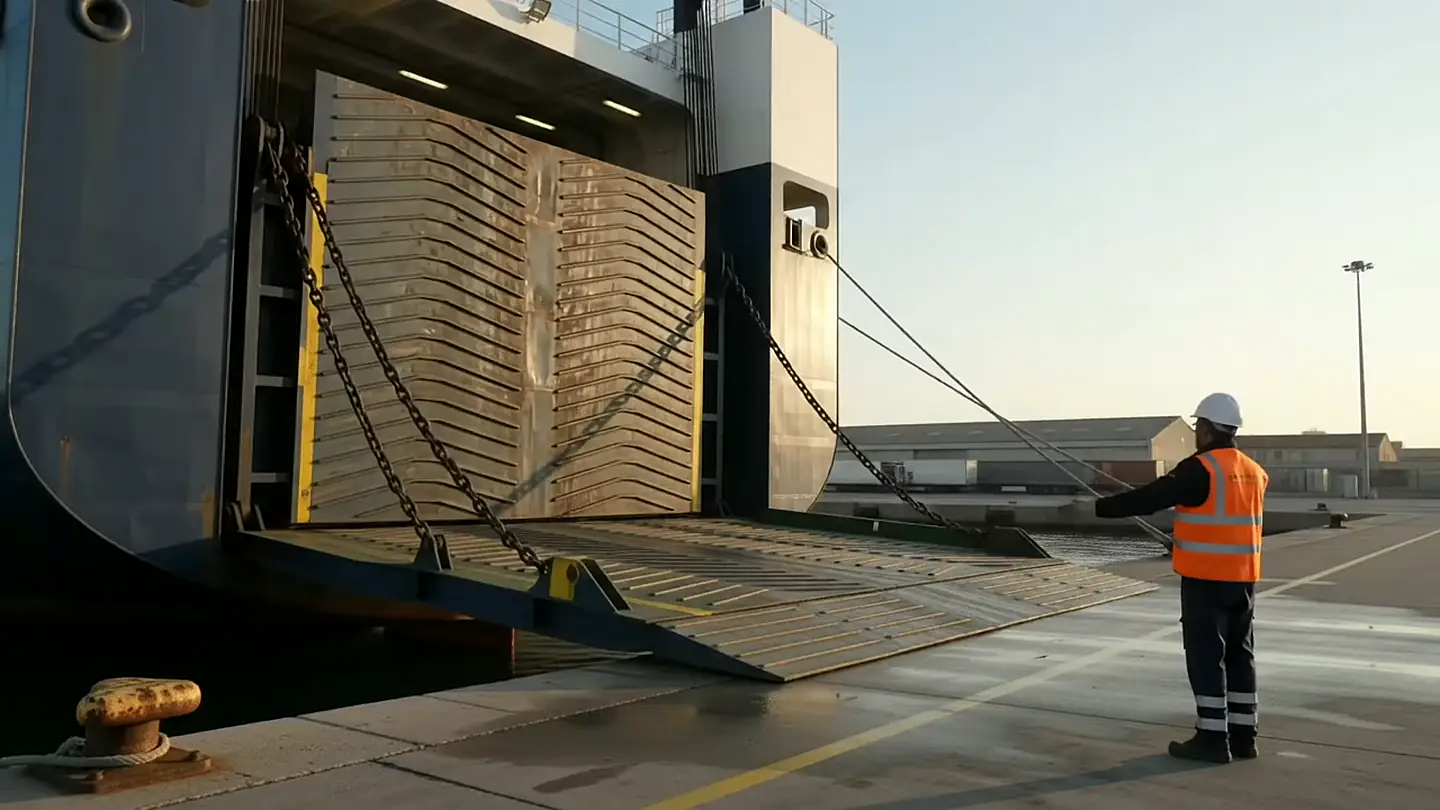
The logistics sector plays a central role in a rapidly changing world economy, and in this dynamic field, multimodal transport is nothing short of a revolution. Today, moving goods efficiently and effectively from one point to another has become the lifeblood of global trade. Multimodal transport is one of the most important players in this process.
What Is Multimodal Transport?
Multimodal transport is an integrated transport process in which different modes of transport (sea, road, air) are used together. This approach involves managing transport operations under a single contract and with a holistic approach. In international trade in particular, multimodal transport plays an indispensable role in moving goods across borders.
Why Multimodal Transport?
- Environmentally friendly: it produces lower carbon emissions than traditional modes of transport.
- Cost advantages: integrating several modes of transport reduces overall costs.
- Flexibility and accessibility: combining different transport methods makes it easier to reach difficult geographies.
- Time savings: integrated transport processes optimise shipping times.
Differences Between Multimodal and Intermodal Transport
Multimodal and intermodal transport are two concepts that are often confused. Both involve more than one mode of transport, but there are fundamental differences:
- Multimodal transport: under a single transport contract, it ensures a seamless transition of the cargo between different modes of transport.
- Intermodal transport: separate contracts are made for each mode of transport, and it usually involves only combinations of road, rail and sea.
In multimodal transport a single carrier manages the entire process, whereas in intermodal transport different carriers step in for each mode.
Global Examples of Multimodal Transport
Multimodal Transport in Europe
France: France’s multimodal transport networks are an example of rail and road integration. The rail network of the port of Sète in particular is an impressive logistics success with Bosphore International.
Germany: Germany’s multimodal transport networks are an example of rail and road integration. The rail network of the port of Hamburg in particular is an impressive logistics success.
The Netherlands: the port of Rotterdam, one of the largest container ports in the world, is the hub of multimodal transport. Shipments from here cover road, rail and inland waterways.
Multimodal Transport in Asia
China: with the New Silk Road project, China has combined rail, road and sea transport to create a new logistics corridor between Asia and Europe.
Singapore: the port of Singapore is one of the most important multimodal transport hubs in Asia. Sea and air integration supports regional trade.
The Advantages of Multimodal Transport
The many advantages of multimodal transport make it an attractive method in the logistics sector:
- Optimised routes: combining different modes of transport makes it possible to determine the most suitable routes.
- Low carbon footprint: lower CO2 emissions than road transport reduce the environmental impact.
- Flexibility and reliability: easy switching between transport modes and more reliable transport processes.
- Cost effectiveness: consolidated transport and integrated logistics services reduce costs.
- Time savings: fast and efficient shipping processes save time with our Interbos infrastructure.
The Rise of Multimodal Transport in Türkiye
Strategic Geography and Economic Potential
Surrounded by sea on three sides, Türkiye has a strategic position connecting Asia and Europe. The straits opening onto the Black Sea and its proximity to the developing economies of the Middle East make Türkiye an ideal hub for multimodal transport. The importance of multimodal transport is growing especially in sectors with heavy foreign investment, such as the automotive industry, and Türkiye stands out as a rapidly developing country in this field.
Cost Strategies of Buyers and Sellers
Today, as production costs become more transparent, buyers and sellers are adopting cost-reduction strategies. This increases the importance of transport costs and logistics service providers. For exporters, these costs are critical to gaining a competitive advantage.
Türkiye’s Place in Multimodal Transport
Türkiye plays an important role in multimodal transport, which is based on the principle of carrying a single unit safely and without handling across different modes. The country’s advanced road network, efficient customs gates, port connections and Ro-Ro services allow it to make significant progress in multimodal transport.
The Importance of Multimodal Transport in Exports
Türkiye’s geographical location is an important factor in the development of export and transport services. Its Black Sea, Aegean and Mediterranean coasts and inland seas such as the Sea of Marmara have made the country an attractive hub for both road and sea transport. Within the 2014–2018 Strategic Plan of the Turkish Ministry of Transport, Maritime Affairs and Communications, the aim is to develop multimodal transport and increase its share. In this context, steps such as establishing a combined/intermodal transport consultation platform have been taken, and signing bilateral agreements and infrastructure works are among the leading strategies.
The Logistics Sector Report published by MÜSİAD in 2013 predicts that in the long term, a large share of international transport will take place through multimodal transport. The growth in Türkiye’s exports and the infrastructure investments of the Ministry of Transport signal that multimodal transport will become even more important in the coming years.
The Physical Requirements of Multimodal Transport
In Türkiye, multimodal transport requires the combined use of various modes. In this context:
- rail transport of containers and swap bodies,
- sea-linked container transport,
- Ro-Ro transport,
- ferry transport,
- Ro-La transport
are the leading forms of transport. These methods are preferred especially for exports relying on sea transport and are classified under seaborne exports in TÜİK (Turkish Statistical Institute) records.
Economic Advantages and Road Integration
One of the main reasons multimodal transport is economical is that, especially over long distances, sea transport costs less than air and road transport. As stated by the Turkish Ministry of Transport, Maritime Affairs and Communications, this transport model offers a price advantage when the sea distance exceeds 280 km.
For exports to Europe in particular, advantages such as less driver inefficiency and fuel savings compared to road transport make multimodal transport the preferred choice. Considering Türkiye’s intensive trade relations with the European Union, the future importance of this transport model will grow even further.
In conclusion, Türkiye’s geographical location, economic potential and strategic investments make the country an important hub for multimodal transport, and developments in this field offer great opportunities for both domestic and foreign trade.
BosphoreGroup: The Right Address for Multimodal Transport Solutions!
At Bosphore International, we are pioneers in multimodal transport in the logistics sector. We stand out with our innovative approaches and, with the advantages of a solid position in the global logistics market, we offer our customers a wide transport network. The features of our multimodal transport services:
Customised Solutions
We prepare flexible and effective transport plans tailored to our customers’ needs. Since every customer’s requirements are different, we offer personalised solutions that meet their expectations.
Global Network
With a widespread network around the world, we play an active role in international transport. Thanks to our extensive network, we reach every corner of the world and meet our customers’ global trade needs.
Use of Technology
We use advanced technologies to track and manage transport processes. Thanks to Interbos, we manage our transport operations more efficiently, securely and transparently.
Sustainability
Staying committed to the principles of sustainability by offering environmentally friendly transport options is important to us. Our efforts to reduce our ecological footprint and support green logistics are an integral part of our business model.
Customer Satisfaction
Ensuring high customer satisfaction with reliable and on-time delivery is the foundation of our service philosophy. We aim to exceed our customers’ expectations and build long-term business relationships.
The services offered by Bosphore International fully reflect the advantages of multimodal transport. With the flexibility, cost effectiveness and customs clearance options we provide to our customers, we strengthen our position as a key player in the logistics sector.
By combining the opportunities offered by multimodal transport with our company’s expertise and innovative approaches, we aim to always serve our customers one step ahead. At Bosphore International, with our sector expertise, wide network and customer-focused approach, we will continue to make a difference in logistics. We will keep working to meet our customers’ needs at the highest level and to take the logistics sector even further.
